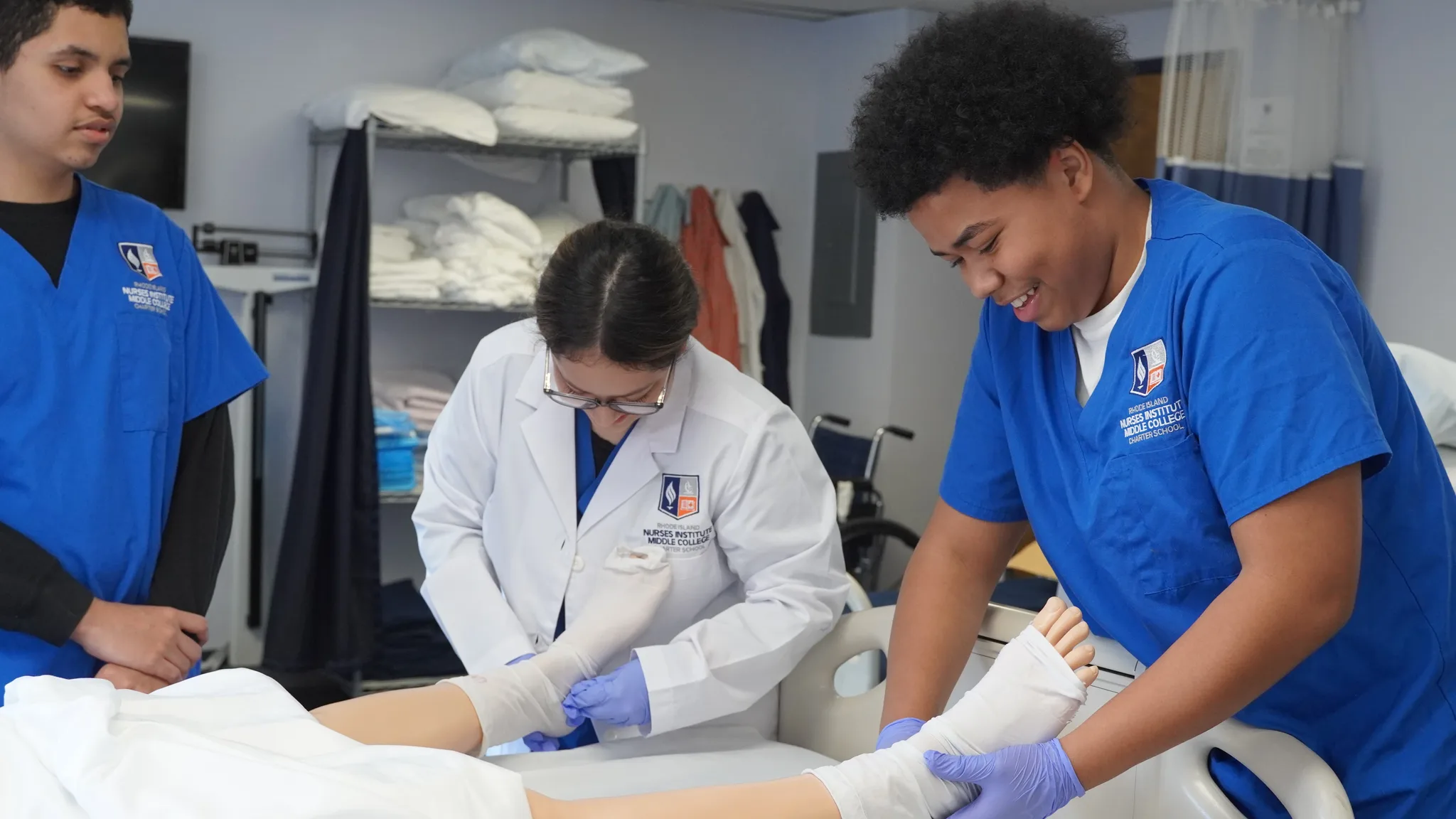
America’s health-care system was experiencing a staffing crisis long before anyone heard the word “Covid,” but the pandemic supercharged it, by leading to many resignations and early retirements. Today, the system is more short-staffed than ever, even as it faces its next big shock: an aging population. Unless we get serious about addressing the shortage of qualified health-care workers, the quality of medical care will suffer, and its cost will rise.
By 2030, all baby boomers will be 65 and older, and their longer life expectancies mean that the need for medical care will continue to rise. Yet there are currently about 2 million unfilled health-care jobs. These include medical assistants, respiratory therapists, health information technicians and other roles — and an additional 2 million new jobs are expected by 2031, according to the US Bureau of Labor Statistics.
We cannot expect that the market will solve the labor shortage on its own. A big part of the reason hospitals and other health-care providers cannot fill these jobs is that college graduates often look elsewhere for jobs, and high school graduates often are not prepared for them, because the jobs require levels of education and training that high schools do not provide.
Continue reading the full op-ed on bloomberg.com
Watch this video to learn more: Creating New High Schools to Graduate Students Directly into Healthcare Jobs